Listening to The Crowd: What a Successful Festival Activation Looks Like in 2025
Summer is well and truly here and with it, festival season. It’s no surprise that this time of year is when we start hearing some familiar questions from brands: “Which festival would be right for us?” “What type of activation would be best?" “Where do we start?"
There’s certainly no one-answer-fits-all response to this. Far from it. For each brand, it depends on their goals, target audience, and willingness to think both creatively and strategically.
One thing that's for certain is that the days of slapping a logo on the main stage and hoping it generates some ROI are long gone. Times have changed and festivals have evolved by diversifying their offerings far beyond music. Many are now multi-day, immersive experiences filled with wellness, food, art and activities. This shift presents powerful new opportunities for brands but only if they approach it in the right way.
In 2025, here’s what brands should be considering:
Understand and Embrace Sub-Cultures
Before deciding on which festival to partner with, take time to understand the community behind it. Who are they? What do they value? And how are they aligned with your own brand’s values?
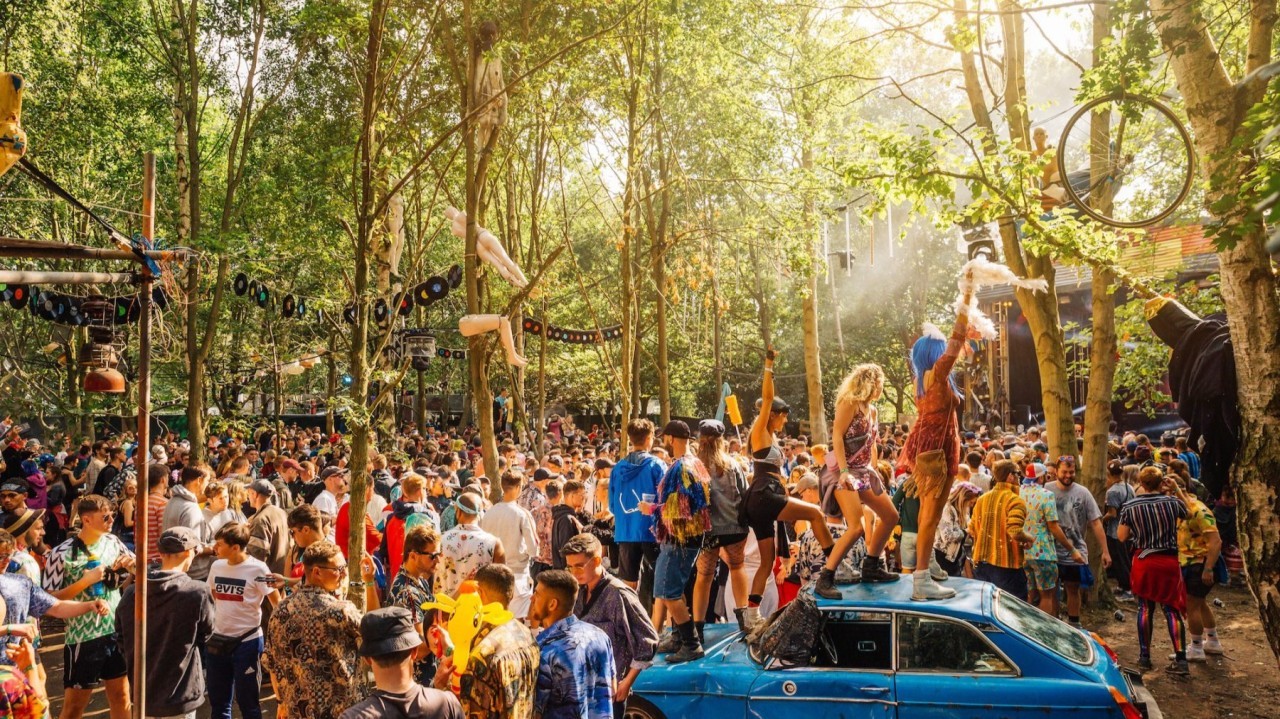
When Defender set out to find a festival partner, they needed one that matched their adventurous spirit and Lost Village was the perfect fit. It's a festival hidden deep in a forest that focusses on exploration, with audience of curious, creatively-minded festivalgoers. In 2024, Defender and Lost Village partnered to launch “The Outpost”, a subtly branded new stage set in a rugged, woodland section of the festival grounds. The area was kitted out with vintage Land Rovers, doubling as an elevated platform that allowed fans to dance inside the cars, enhancing their sense of adventure.
Going a step further, they created an exclusive Defender Camp and brought a fleet of electric hybrid cars for use at the festival. They were powered by solar energy which aligned perfectly with Lost Village’s sustainability commitments. This genuine alignment between the two audiences and the creation of a unique, adventure-fuelled experience led the activation becoming one of the most highly sought-out areas of the festival and has since received recognition from the UK Festival Awards.
Add Genuine Value to The Community Experience
Festival audiences are passionate and don’t shy away from voicing their opinions about the spaces they care so deeply about. Out-of-touch partnerships get called out quickly, but the right ones enhance the audience’s experience and forge long-lasting connections with the brand.
A festival that really understands and listens to their community is Mighty Hoopla. After recognising a need for a more playful, community-driven space, they recently launched a new area for 2025 called “Gayberhood”, in partnership with Grinder. They coined it the “big gay homebase - a place to play, do-si-do, and enjoy a meat raffle”. Set separate to the main music stages, it was a dedicated space for vibrancy and fun.
This showcases the perfect example of a partnership that puts the audience’s needs first, offering a unique and considered part of their festival experience that adds genuine value.
Capture a Unique Kind of Attention
80% of UK fans say that attending a concert, festival, or gig is one of the most emotionally powerful experiences they get to have (Live Nation, 2025). People feel most themselves at a festival, meaning they’re often more expressive and curious to try new things. This open mindset is something brands can tap into order to engage with their audience in a much more meaningful way than other marketing activities, especially if you have the unique, dedicated attention that comes with a multi-day festival.
But it’s not only the live festival days themselves that a brand should have a presence at. The typical festival customer journey spans around 8 months. From purchasing the ticket, to the build-up and planning, to reliving the festival afterwards. To get the most out of a partnership, brands need to think beyond the festival field. They need to tap into those moments of anticipation in the lead-up and extend the life of the experience long after the festival’s gates are shut.
In 2024, JUBEL took their partnership with Snowboxx to new heights and tapped into the fan journey before the party on the mountains began. In epic style, they hired out a private plan and flew 100 festival-goers there, entertained by a DJ set mid-flight. They created an unforgettable experience for those on board and viral social content for those on the ground. Their in-flight TikTok has had 38.5 million views to date.
Play the Long Game
Quick wins are rarely real wins. It’s crucial that any partnership is approached with a long-term vision in mind in order to drive success.
Over the past few years, Rockstar Energy has steadily built credibility within the UK music scene through “Press Play” brand platform. They've successfully encouraged fans to embrace new experiences by putting on gigs, giving out backstage passes, activating at festivals and bringing fans closer to their favourite artists around the world.
Their strategy combines smaller one-off activations, with larger, full-scale sponsorships. Recent examples include treating Parklife fans to an exclusive shuttle-bus performance by Anne Marie and releasing limited edition Chase & Status trainers in honour of their Creamfields headline performance. In 2024, they became the headline sponsor of Reading & Leeds festival, aiming to enhance the Gen Z experience with a multi-year deal.
Rockstar Energy’s success serves as a reminder that consistency builds trust, and trust earns attention.
If your brand hasn’t stepped into the festival space before, it can feel like uncharted territory. But by having a deep understanding of the community it exists for and showing up with intention, the opportunity is huge.
A festival partnership is partly about visibility, but mainly about resonance. To make this happen, there needs to be genuine trust and collaboration between the brand, their agency and festival organisers. This is the basis in which you can co-create an experience that not only represents the brand, but also fits as a natural part of the festival’s experience.
8 Dec 2025, 13:16
Listening to The Crowd: What a Successful Festival Activation Looks Like in 2025
Summer is well and truly here and with it, festival season. It’s no surprise that this time of year is when we start hearing some familiar questions from brands: “Which festival would be right for us?” “What type of activation would be best?" “Where do we start?"
There’s certainly no one-answer-fits-all response to this. Far from it. For each brand, it depends on their goals, target audience, and willingness to think both creatively and strategically.
One thing that's for certain is that the days of slapping a logo on the main stage and hoping it generates some ROI are long gone. Times have changed and festivals have evolved by diversifying their offerings far beyond music. Many are now multi-day, immersive experiences filled with wellness, food, art and activities. This shift presents powerful new opportunities for brands but only if they approach it in the right way.
In 2025, here’s what brands should be considering:
Understand and Embrace Sub-Cultures
Before deciding on which festival to partner with, take time to understand the community behind it. Who are they? What do they value? And how are they aligned with your own brand’s values?
When Defender set out to find a festival partner, they needed one that matched their adventurous spirit and Lost Village was the perfect fit. It's a festival hidden deep in a forest that focusses on exploration, with audience of curious, creatively-minded festivalgoers. In 2024, Defender and Lost Village partnered to launch “The Outpost”, a subtly branded new stage set in a rugged, woodland section of the festival grounds. The area was kitted out with vintage Land Rovers, doubling as an elevated platform that allowed fans to dance inside the cars, enhancing their sense of adventure.
Going a step further, they created an exclusive Defender Camp and brought a fleet of electric hybrid cars for use at the festival. They were powered by solar energy which aligned perfectly with Lost Village’s sustainability commitments. This genuine alignment between the two audiences and the creation of a unique, adventure-fuelled experience led the activation becoming one of the most highly sought-out areas of the festival and has since received recognition from the UK Festival Awards.
Add Genuine Value to The Community Experience
Festival audiences are passionate and don’t shy away from voicing their opinions about the spaces they care so deeply about. Out-of-touch partnerships get called out quickly, but the right ones enhance the audience’s experience and forge long-lasting connections with the brand.
A festival that really understands and listens to their community is Mighty Hoopla. After recognising a need for a more playful, community-driven space, they recently launched a new area for 2025 called “Gayberhood”, in partnership with Grinder. They coined it the “big gay homebase - a place to play, do-si-do, and enjoy a meat raffle”. Set separate to the main music stages, it was a dedicated space for vibrancy and fun.
This showcases the perfect example of a partnership that puts the audience’s needs first, offering a unique and considered part of their festival experience that adds genuine value.
Capture a Unique Kind of Attention
80% of UK fans say that attending a concert, festival, or gig is one of the most emotionally powerful experiences they get to have (Live Nation, 2025). People feel most themselves at a festival, meaning they’re often more expressive and curious to try new things. This open mindset is something brands can tap into order to engage with their audience in a much more meaningful way than other marketing activities, especially if you have the unique, dedicated attention that comes with a multi-day festival.
But it’s not only the live festival days themselves that a brand should have a presence at. The typical festival customer journey spans around 8 months. From purchasing the ticket, to the build-up and planning, to reliving the festival afterwards. To get the most out of a partnership, brands need to think beyond the festival field. They need to tap into those moments of anticipation in the lead-up and extend the life of the experience long after the festival’s gates are shut.
In 2024, JUBEL took their partnership with Snowboxx to new heights and tapped into the fan journey before the party on the mountains began. In epic style, they hired out a private plan and flew 100 festival-goers there, entertained by a DJ set mid-flight. They created an unforgettable experience for those on board and viral social content for those on the ground. Their in-flight TikTok has had 38.5 million views to date.
Play the Long Game
Quick wins are rarely real wins. It’s crucial that any partnership is approached with a long-term vision in mind in order to drive success.
Over the past few years, Rockstar Energy has steadily built credibility within the UK music scene through “Press Play” brand platform. They've successfully encouraged fans to embrace new experiences by putting on gigs, giving out backstage passes, activating at festivals and bringing fans closer to their favourite artists around the world.
Their strategy combines smaller one-off activations, with larger, full-scale sponsorships. Recent examples include treating Parklife fans to an exclusive shuttle-bus performance by Anne Marie and releasing limited edition Chase & Status trainers in honour of their Creamfields headline performance. In 2024, they became the headline sponsor of Reading & Leeds festival, aiming to enhance the Gen Z experience with a multi-year deal.
Rockstar Energy’s success serves as a reminder that consistency builds trust, and trust earns attention.
If your brand hasn’t stepped into the festival space before, it can feel like uncharted territory. But by having a deep understanding of the community it exists for and showing up with intention, the opportunity is huge.
A festival partnership is partly about visibility, but mainly about resonance. To make this happen, there needs to be genuine trust and collaboration between the brand, their agency and festival organisers. This is the basis in which you can co-create an experience that not only represents the brand, but also fits as a natural part of the festival’s experience.
8 Dec 2025, 13:16